More load, without a bigger MIC
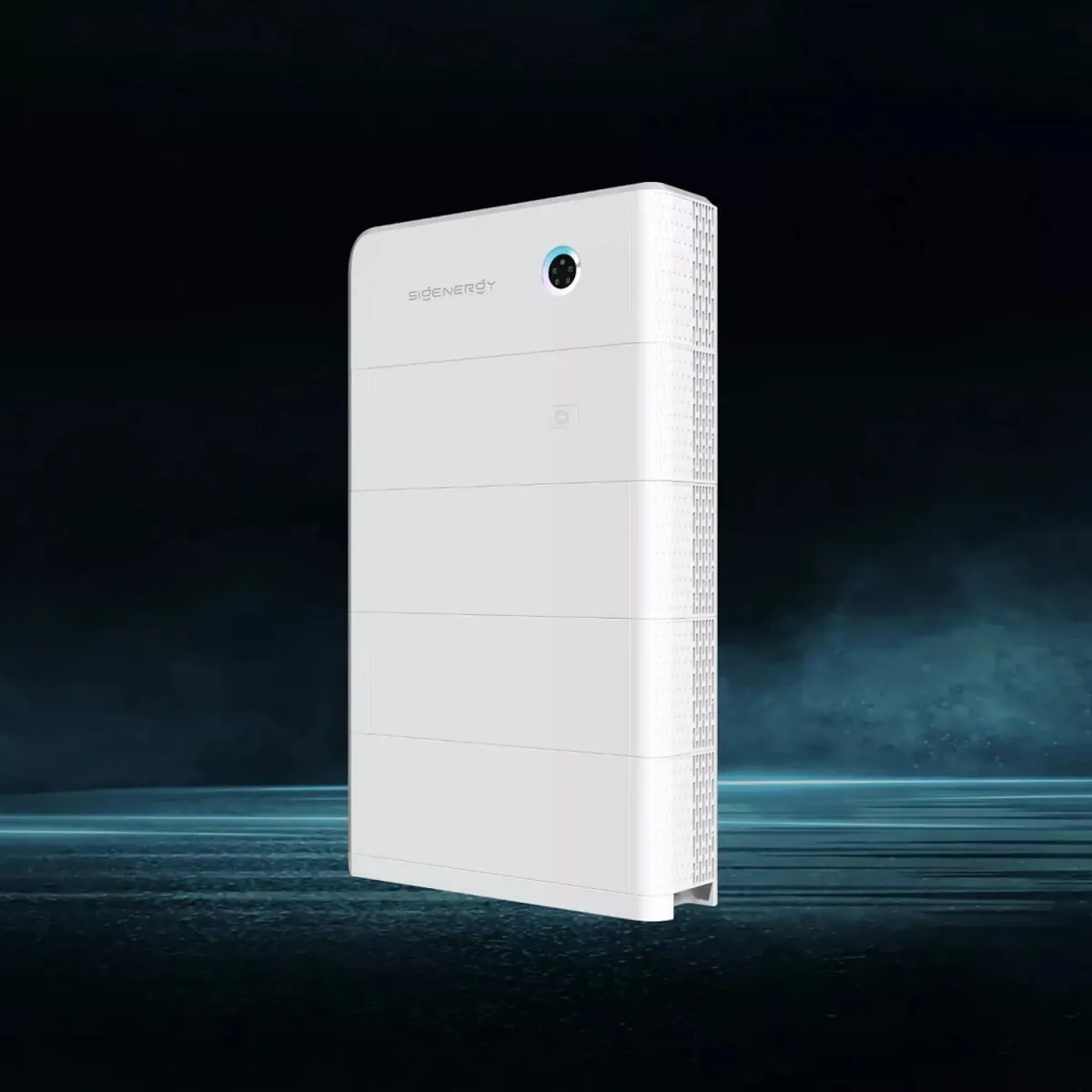
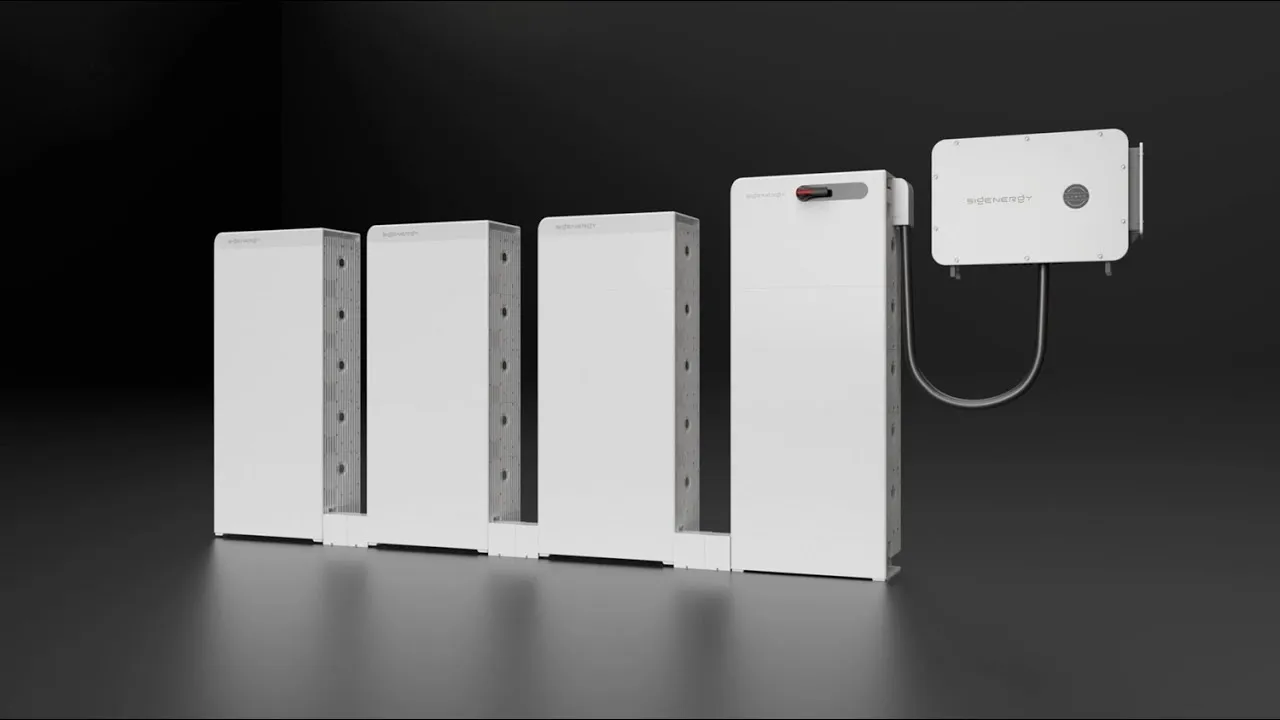
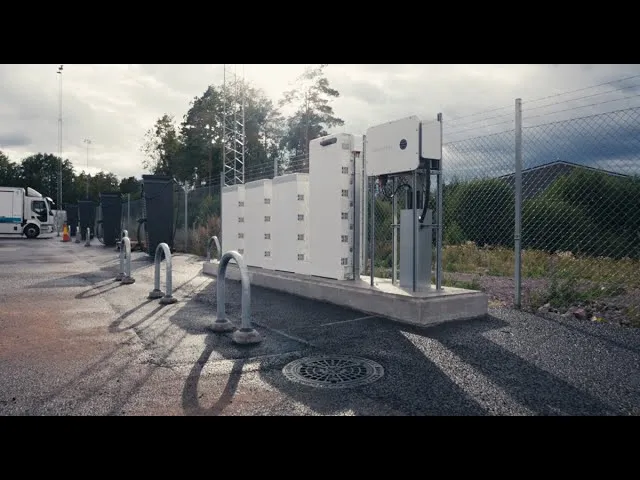
Every commercial connection has a Maximum Import Capacity (MIC). When a site grows and its peaks go over it, you either pay the charges for exceeding it or pay ESB Networks to increase it. A battery is the other option. It covers the high-load hours of the day from stored energy and recharges when the site is quiet, so the grid never sees the peak and you may not need to increase your MIC at all.
- Battery covers the peak
- Battery recharges
- Site demand
Midday sun, for evening milking
A dairy farm uses most of its power at milking and cooling, early and late, while the panels peak at midday. The battery takes the midday surplus and gives it back at evening milking, instead of selling it cheap and buying it back dear.
- Solar
- Surplus stored
- Battery runs milking
- Site demand
Buy at night, use at the peak
On a day/night or time-of-use tariff, the battery charges in the cheap hours and runs the site through the most expensive ones. It works in winter, when the panels make least.
- Battery charges cheap
- Battery runs the peak
- Site demand
Fit more panels than the grid will take
Where ESB Networks caps what a site can export, solar above the cap is normally switched off and wasted. With a battery it is stored instead, and used later.
- Solar
- Would be wasted, now stored
- Battery runs the evening
- Site demand